IBS & Digestive Disorders Treatment
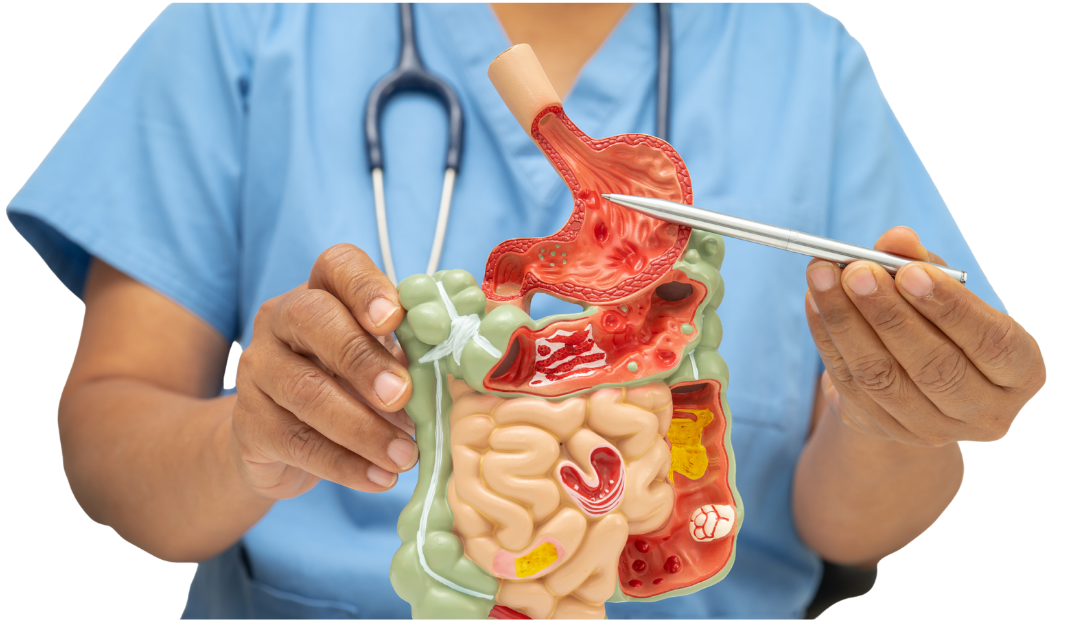
Understanding digestive health
Digestive health plays an important role in overall wellbeing. When the digestive system is functioning smoothly, the body is able to absorb nutrients, maintain energy levels and support immune health. However, when digestive balance is disturbed, it can lead to recurring discomfort and unpredictable symptoms.
Irritable Bowel Syndrome (IBS) is one of the most common digestive conditions seen today. People living with IBS often experience symptoms that come and go over time. These symptoms may become worse during stressful situations, after certain meals or during irregular lifestyle routines

Common symptoms experienced by patients
Patients suffering from IBS or other digestive disorders may experience a range of symptoms that affect
their daily routine.
We took care of the space around. So that nothing prevents you from enjoying nature and freedom, the territory of the complex will be closed for cars. Underground parking is provided for cars
Following Symtoms :
- Bloating and abdominal discomfort
- Excess gas formation
- Constipation or diarrhea
- Cramping after meals
- Feeling of incomplete digestion
- Food sensitivity
- Fluctuating digestive patterns
Possible factors behind digestive disorders
Digestive disorders rarely develop due to a single cause. In most cases, they are influenced by multiple factors working together. Identifying these underlying influences helps doctors understand the complete picture of the patient’s digestive health.
The Gut–Brain connection
The digestive system and brain are closely connected through what is known as the gut–brain axis. Emotional stress can affect digestive function and increase gut sensitivity. Many patients observe that their digestive symptoms worsen during periods of stress, anxiety or emotional strain. Understanding this connection helps doctors identify triggers that may influence digestive balance.